Blog Details
☆ From Blog
Blog Details
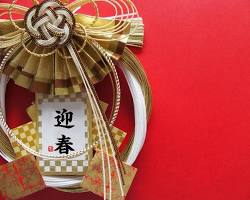
Here is how New Year is celebrated in Japan:
1. Preparation: The "Big Clean" (Osoji)
Before the year ends, families participate in Osoji. They clean their entire house, office, and workspace from top to bottom. The idea is to purify the space and welcome the "New Year Deity" into a clean home, leaving the "dirt" of the past year behind.
2. New Year’s Eve (Omisoka - December 31)
- Toshikoshi Soba: On the night of December 31, people eat long buckwheat noodles called Soba. The long shape of the noodles symbolizes a long and healthy life.
- Joya no Kane (108 Bells): At midnight, Buddhist temples across Japan ring a large bell 108 times. According to Buddhist tradition, this cleanses the 108 human sins and worldly desires, allowing for a fresh start.
3. The First Visit (Hatsumode)
During the first three days of January, millions of people visit Shinto shrines or Buddhist temples. This tradition is called Hatsumode. People pray for:
- Good health and safety.
- Success in studies or business.
- They also buy Omikuji (paper fortunes) and Omamori (lucky charms).
4. Traditional Food: Osechi Ryori & Mochi
- Osechi Ryori: These are special dishes served in beautiful lacquered boxes (Juubako). Every ingredient has a meaning. For example, shrimp represents long life (because of its curved back), and sweetened black beans represent hard work.
- Ozoni: A traditional soup containing Mochi (stretchy rice cakes) and vegetables.
- Mochi-tsuki: Many communities hold events to pound steamed rice into dough to make fresh mochi.
5. Gifts for Children (Otoshidama)
Just like receiving "Dakshina" during Dashain or Tika, Japanese children receive decorated envelopes containing money from their parents, grandparents, and relatives. This is called Otoshidama, and it is often the highlight of the holiday for kids.
6. Decorations
- Kadomatsu: Pine and bamboo decorations placed at the entrance of homes to welcome ancestral spirits.
- Kagamimochi: Two round rice cakes topped with a small orange (daidai), placed on a household altar.
Important Note for Visitors/Residents
Japan becomes very quiet from January 1st to 3rd.
- Most banks, offices, and local shops close.
- Department stores often have huge "New Year Sales" starting on the 2nd or 3rd, featuring Fukubukuro (Lucky Bags)—sealed bags sold at a discount where you don't know exactly what's inside until you buy it!
Recent Blogs
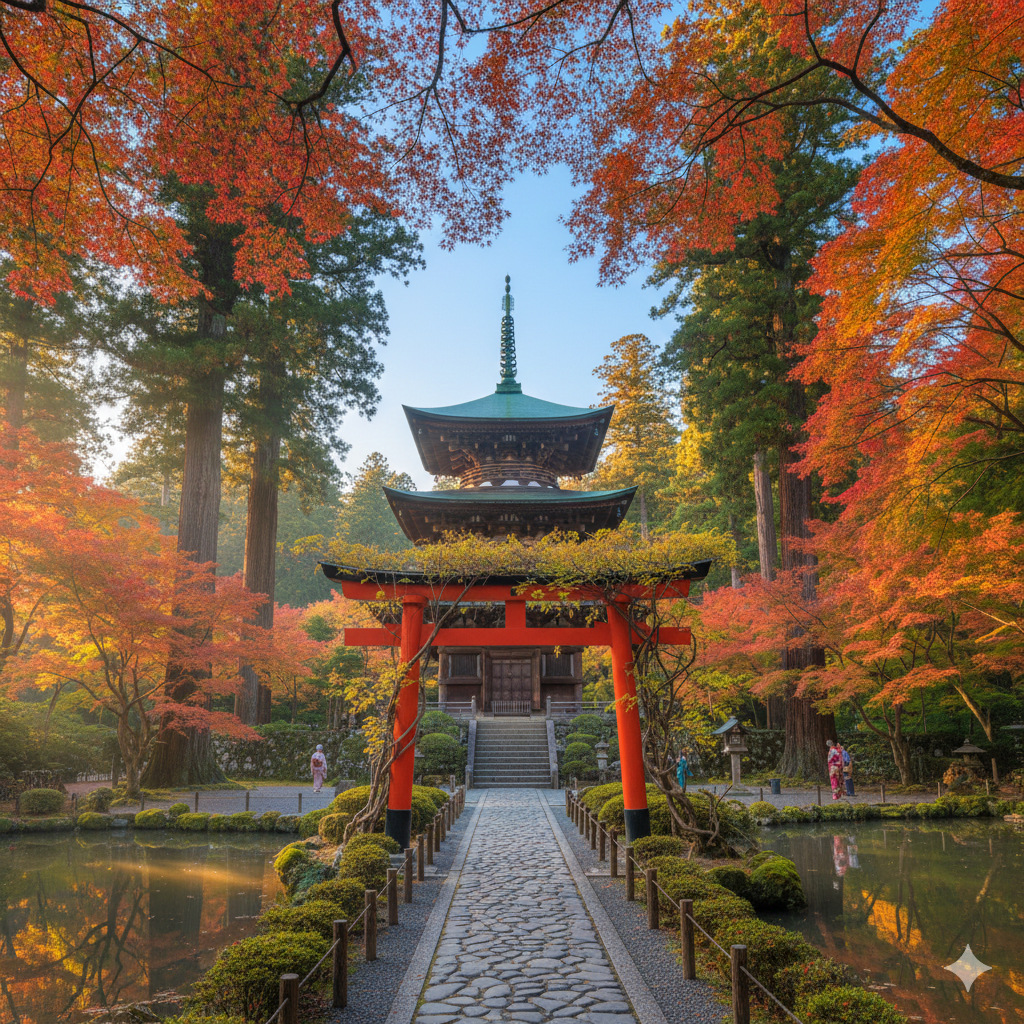
🇯🇵जापानी भाषा सिकौँ, जापान जाने सपना साकार पारौँ! 🌸
January 25, 2026
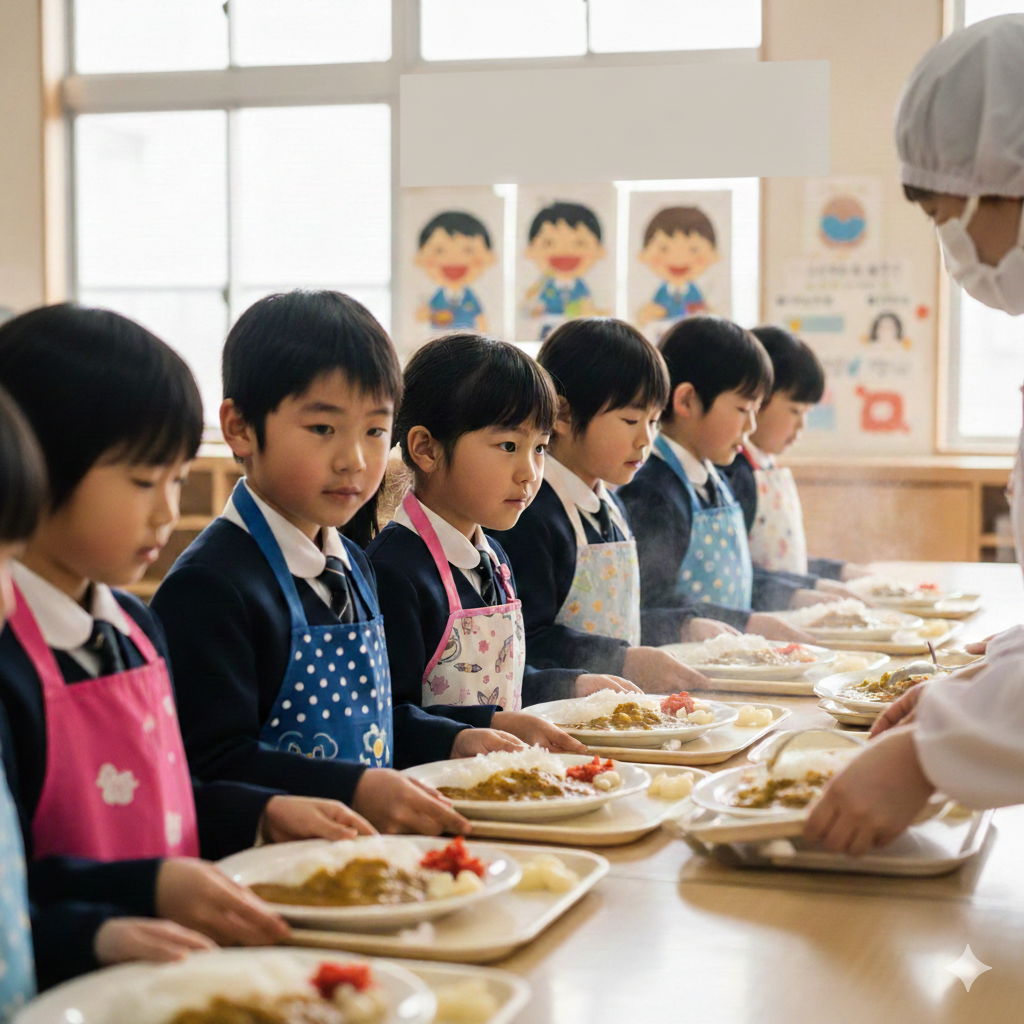
How Curry Day is celebrated in Japan like this
January 22, 2026

Are you preparing to go to Japan on a Student Visa or SSW Visa? If you are looking for high-quality Japanese language classes, look no further!
January 21, 2026
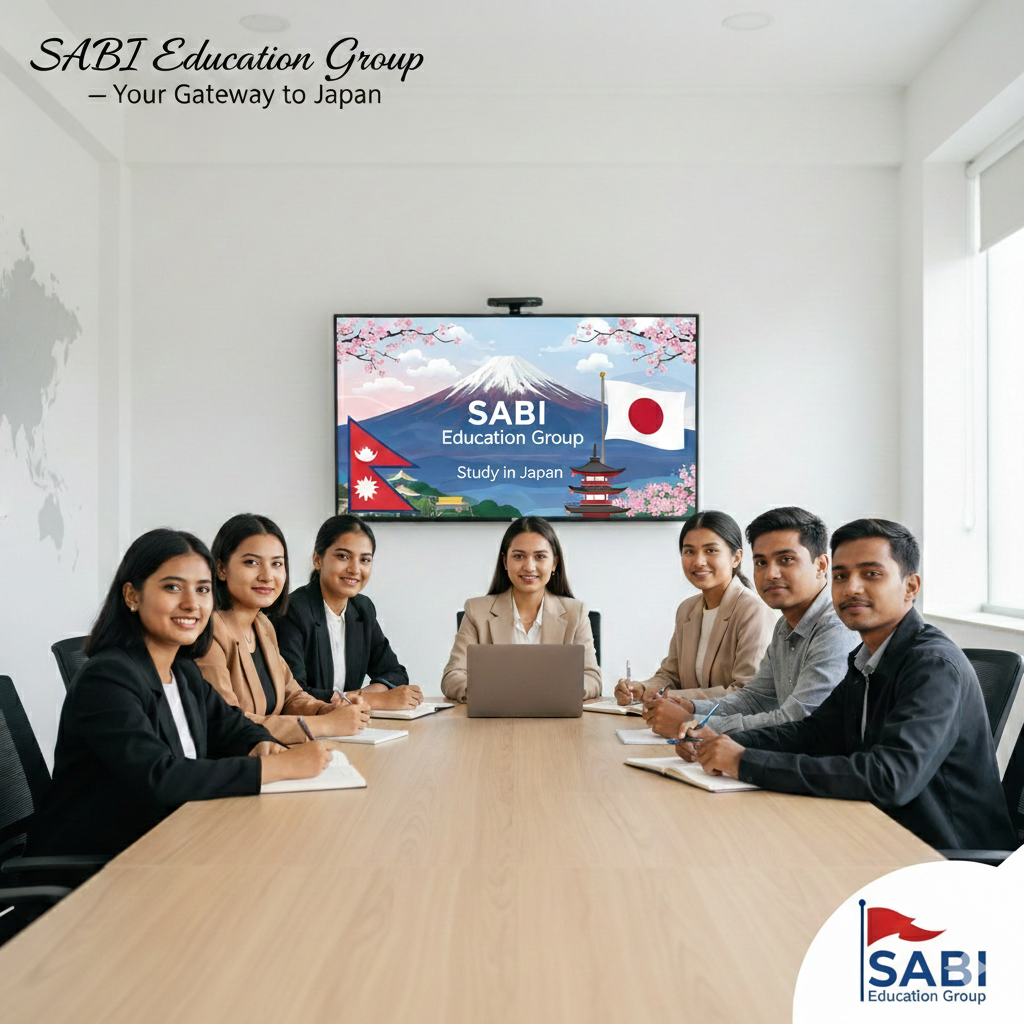
Here are the key strengths and positive aspects of Sabi Education Group
January 20, 2026
Services
Working Hours
- Sunday: 7 AM to 5 PM
- Monday: 7 AM to 5 PM
- Tuesday: 7 AM to 5 PM
- Wednesday: 7 AM to 5 PM
- Thursday: 7 AM to 5 PM
- Friday: 7 AM to 5 PM
Contact Us
OFFICE :
- Bharatpur
- Ratnanagar
Copyright © 2025 Sabi Education Group. All rights reserved
Powered by Dipesh Chaudhary