Blog Details
☆ From Blog
Blog Details
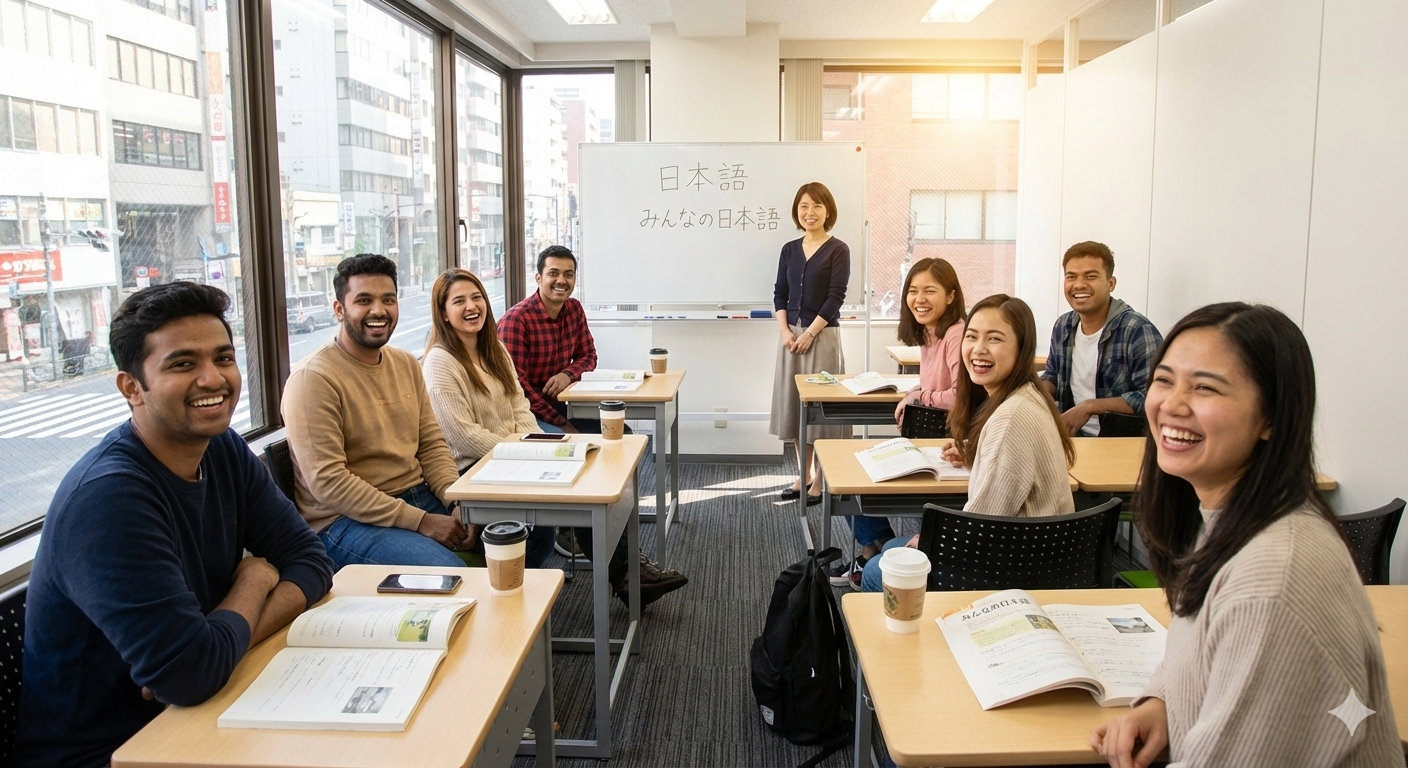
Life and Studies at a Japanese Language School
1. The "Direct Method" of Teaching
This is the most famous part of studying in Japan. Teachers use only Japanese to teach Japanese.
- Even if you are a beginner, they will not use English or Nepali.
- They use pictures, gestures, and very simple words to help you understand. This "forces" your brain to start thinking in Japanese much faster.
2. Class Schedule and Structure
- Short but Intense: Classes usually run for 4 hours a day, five days a week.
- Shifts: You will likely be in either the Morning Shift (approx. 9:00 AM – 1:00 PM) or the Afternoon Shift (approx. 1:00 PM – 5:00 PM).
- Free Time: Most students use their off-shift hours for homework, self-study, and their Arubaito (part-time job).
3. Balanced Learning (The Four Skills)
Unlike many local institutes that focus mainly on passing a written test, schools in Japan focus on:
- Speaking: Lots of pair work and classroom discussions.
- Listening: Constant exposure to native accents.
- Reading: Moving quickly from Hiragana/Katakana to complex Kanji and news articles.
- Writing: Learning how to write formal essays called Sakubun.
4. Cultural Immersion and Manners
In Japan, language is tied to etiquette. Schools will teach you:
- How to bow correctly.
- How to speak to a boss versus a friend (Keigo).
- Trash disposal rules and other social "common sense" in Japan.
- They often organize Field Trips to shrines, museums, or local festivals.
5. Exam and Career Support
The schools are highly focused on your "next step." They provide:
- JLPT Training: Intensive practice for $N3$, $N2$, and $N1$ levels.
- EJU Prep: For students who want to enter a Japanese University.
- Job Hunting: Help with writing a Japanese resume (Rirekisho) and practicing for interviews.
6. International Environment
Your classmates won't just be from your home country. You will study alongside people from Vietnam, China, Indonesia, Brazil, and Europe. Since you don't share a common native language, Japanese becomes your only way to talk to each other, which is great for practice!
Recent Blogs
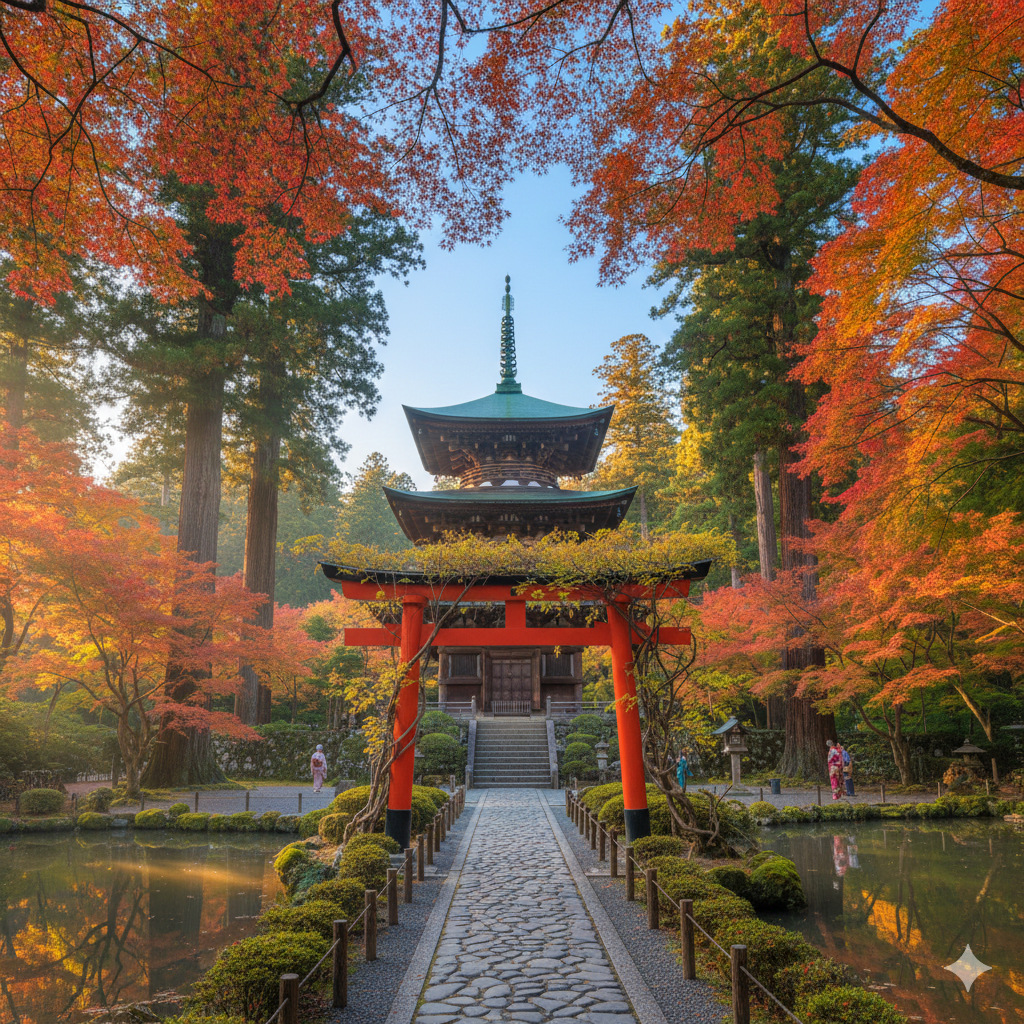
🇯🇵जापानी भाषा सिकौँ, जापान जाने सपना साकार पारौँ! 🌸
January 25, 2026
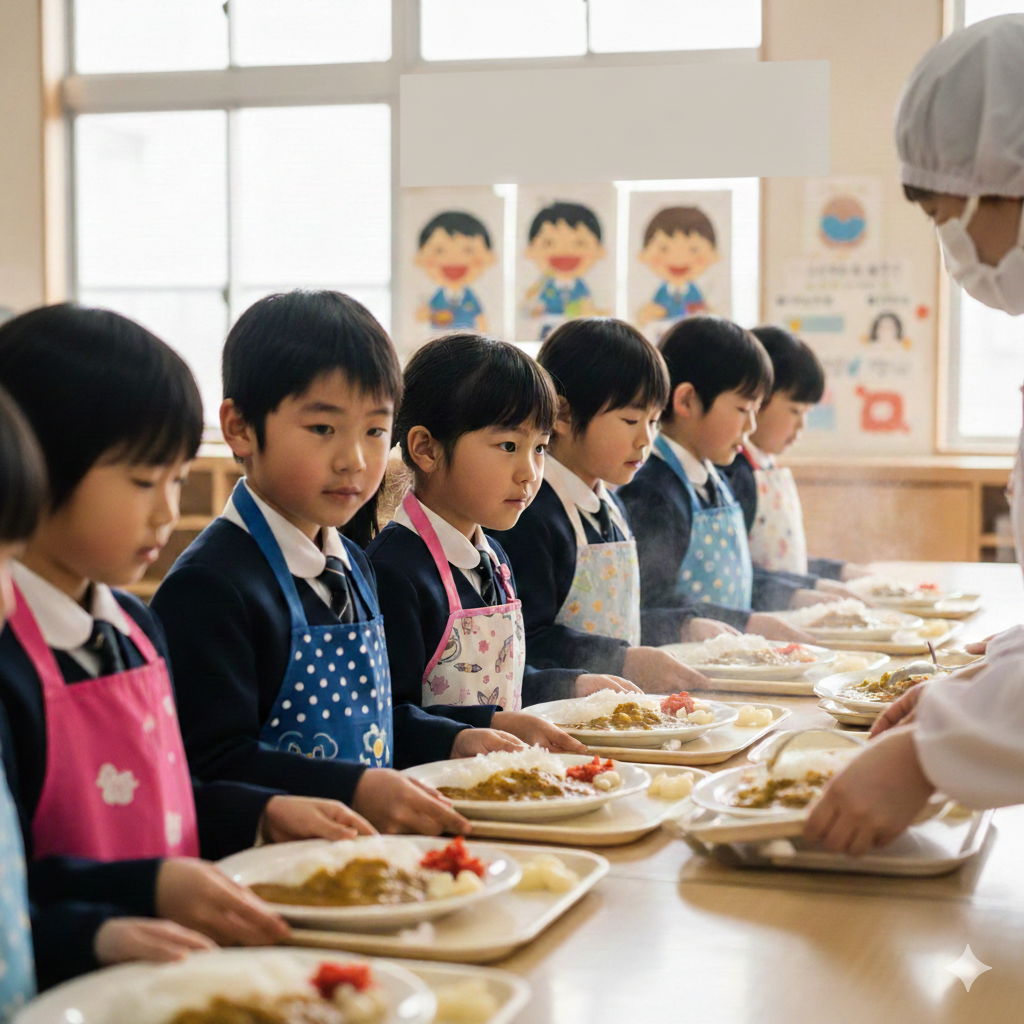
How Curry Day is celebrated in Japan like this
January 22, 2026
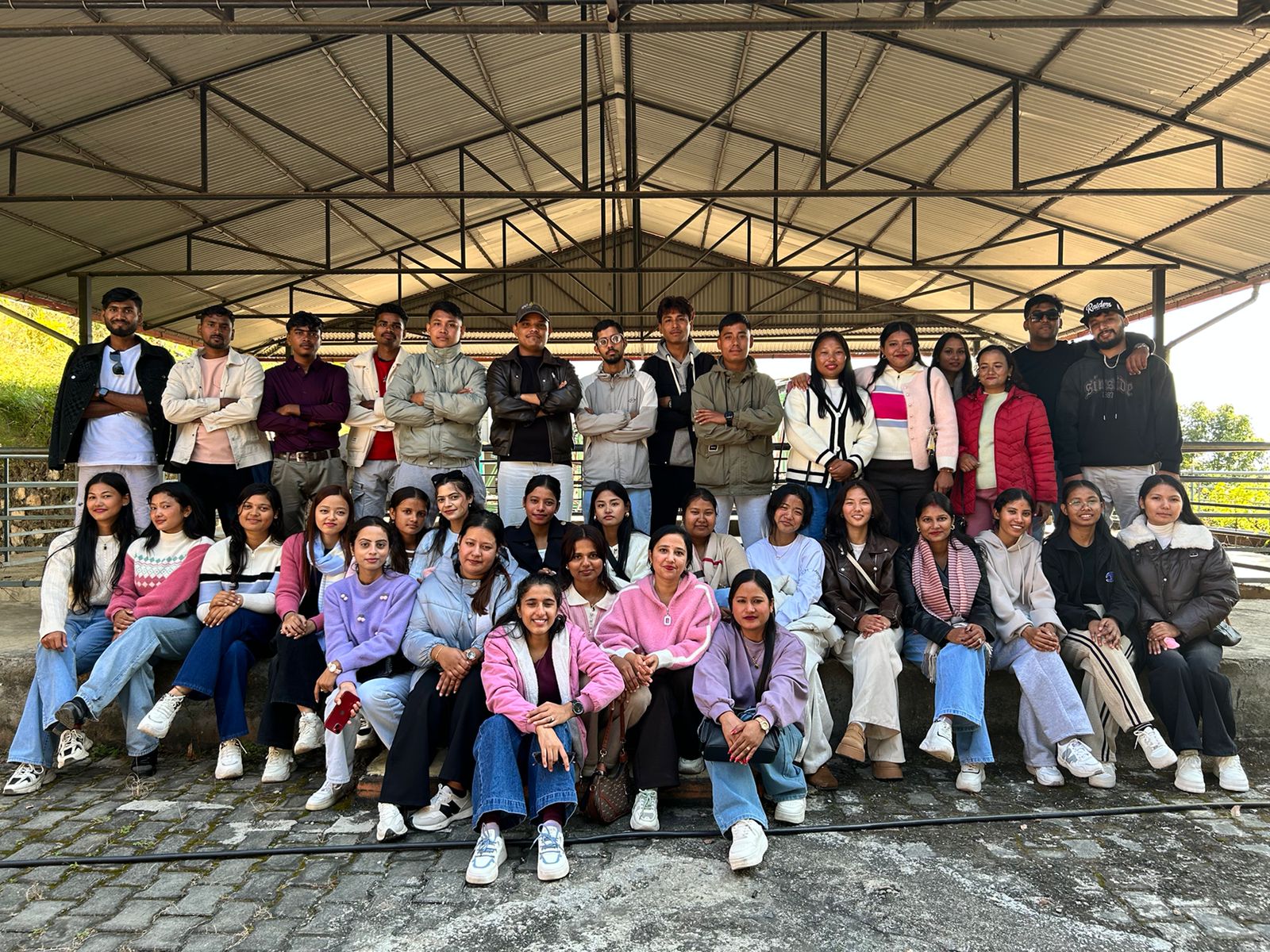
Are you preparing to go to Japan on a Student Visa or SSW Visa? If you are looking for high-quality Japanese language classes, look no further!
January 21, 2026
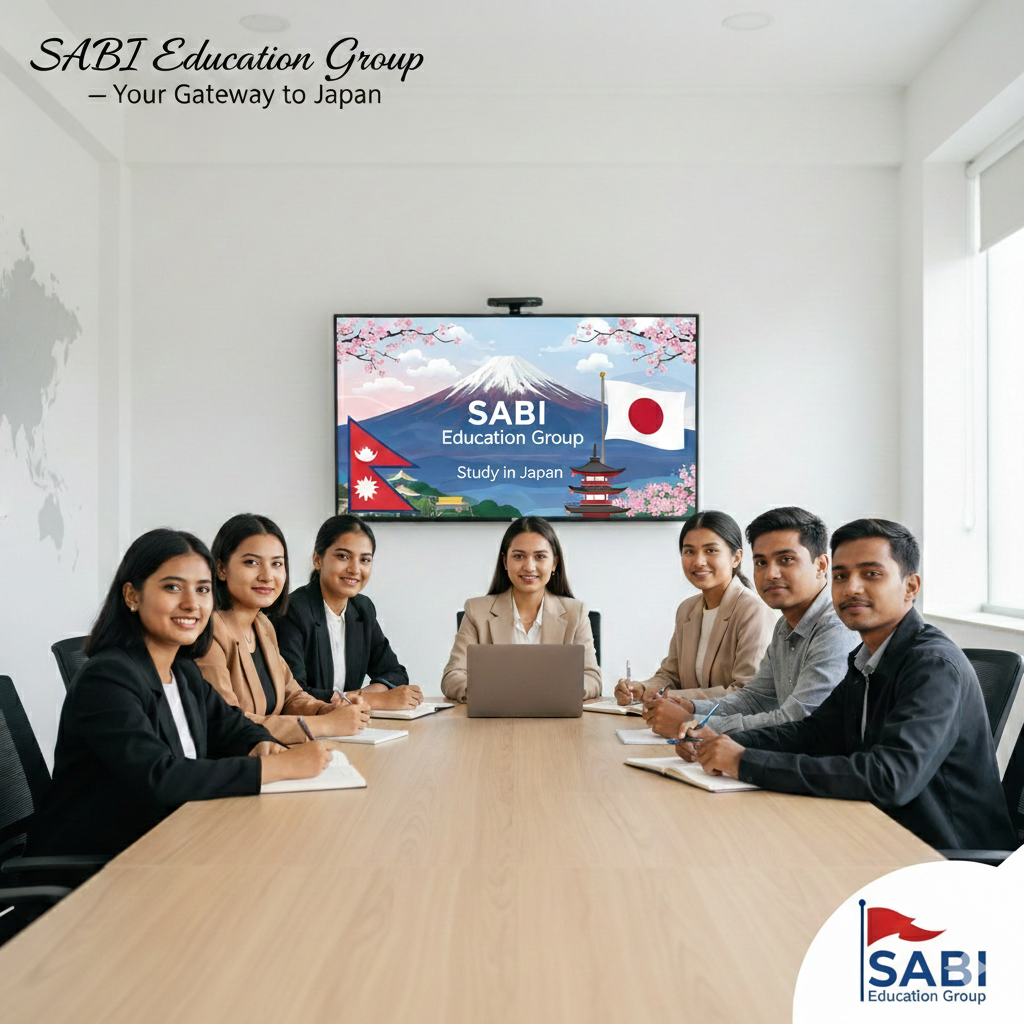
Here are the key strengths and positive aspects of Sabi Education Group
January 20, 2026
Services
Working Hours
- Sunday: 7 AM to 5 PM
- Monday: 7 AM to 5 PM
- Tuesday: 7 AM to 5 PM
- Wednesday: 7 AM to 5 PM
- Thursday: 7 AM to 5 PM
- Friday: 7 AM to 5 PM
Contact Us
OFFICE :
- Bharatpur
- Ratnanagar
Copyright © 2025 Sabi Education Group. All rights reserved
Powered by Dipesh Chaudhary