Blog Details
☆ From Blog
Blog Details

The N4 Level in Japanese
To pass $N4$, you must significantly expand upon the skills you acquired at the $N5$ level.
1. Vocabulary
- Quantity: You need to know approximately $1,500$ to $2,000$ words. These words cover almost all simple topics in daily life (shopping, transportation, health, weather, hobbies, etc.).
2. Kanji
- Quantity: You must be able to recognize and understand around $300$ to $350$ Kanji. This is more than double the requirement for $N5$.
- Usage: At the $N4$ level, you should be able to understand Kanji found in signs for small shops, basic public notices, or simple newspaper headlines related to daily life.
3. Grammar
- $N4$ grammar teaches you how to express slightly more complex ideas than simple sentences. Key areas include:
- Additional Verb Forms: Learning forms such as the 'Potential form' (can do), 'Tai form' (want to do), 'Giving and Receiving' verbs, and 'Permission/Prohibition' ($Te-mo ii$/$wa ikemasen$).
- Connecting Sentences: Using various conjunctions and linking forms (like Toki, Nagara, Kedo) to create complex sentences.
- Requests/Suggestions: Making polite requests (e.g., $Te-kudasai$) or giving advice ('It is better to do' - $Ta-hou ga ii$).
- Formal vs. Informal Language: Understanding and using the Plain Form (casual forms) of verbs and adjectives, which are used when speaking with family or close friends.
4. Communication and Comprehension
- Listening: You should be able to understand everyday conversations spoken at a near-normal speed, even when the speakers interject their opinions or thoughts.
- Reading: You should be able to read and comprehend short letters, notices, emails, or short paragraphs from books that are related to daily living.
In Conclusion: Passing $N4$ generally means you can handle the basic necessities of daily life to live and work independently in Japan.
Recent Blogs
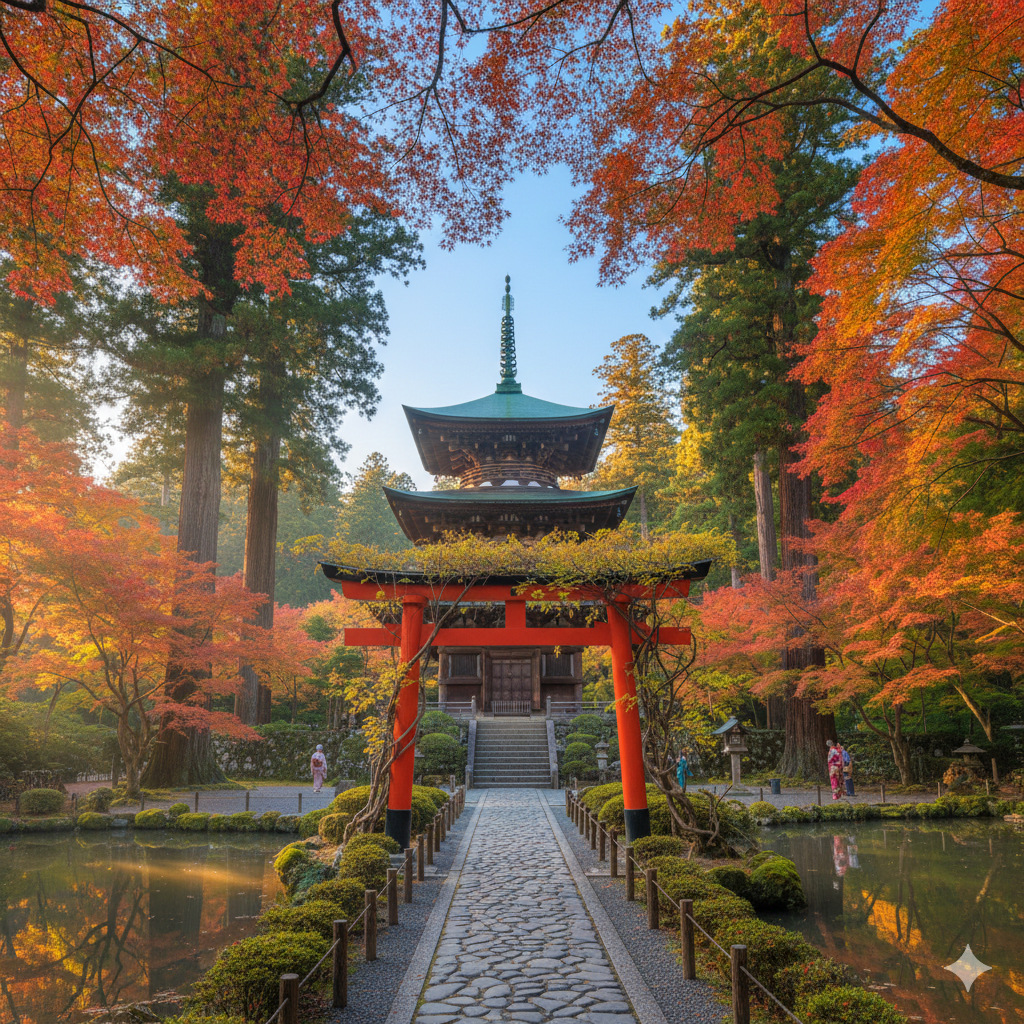
🇯🇵जापानी भाषा सिकौँ, जापान जाने सपना साकार पारौँ! 🌸
January 25, 2026

How Curry Day is celebrated in Japan like this
January 22, 2026
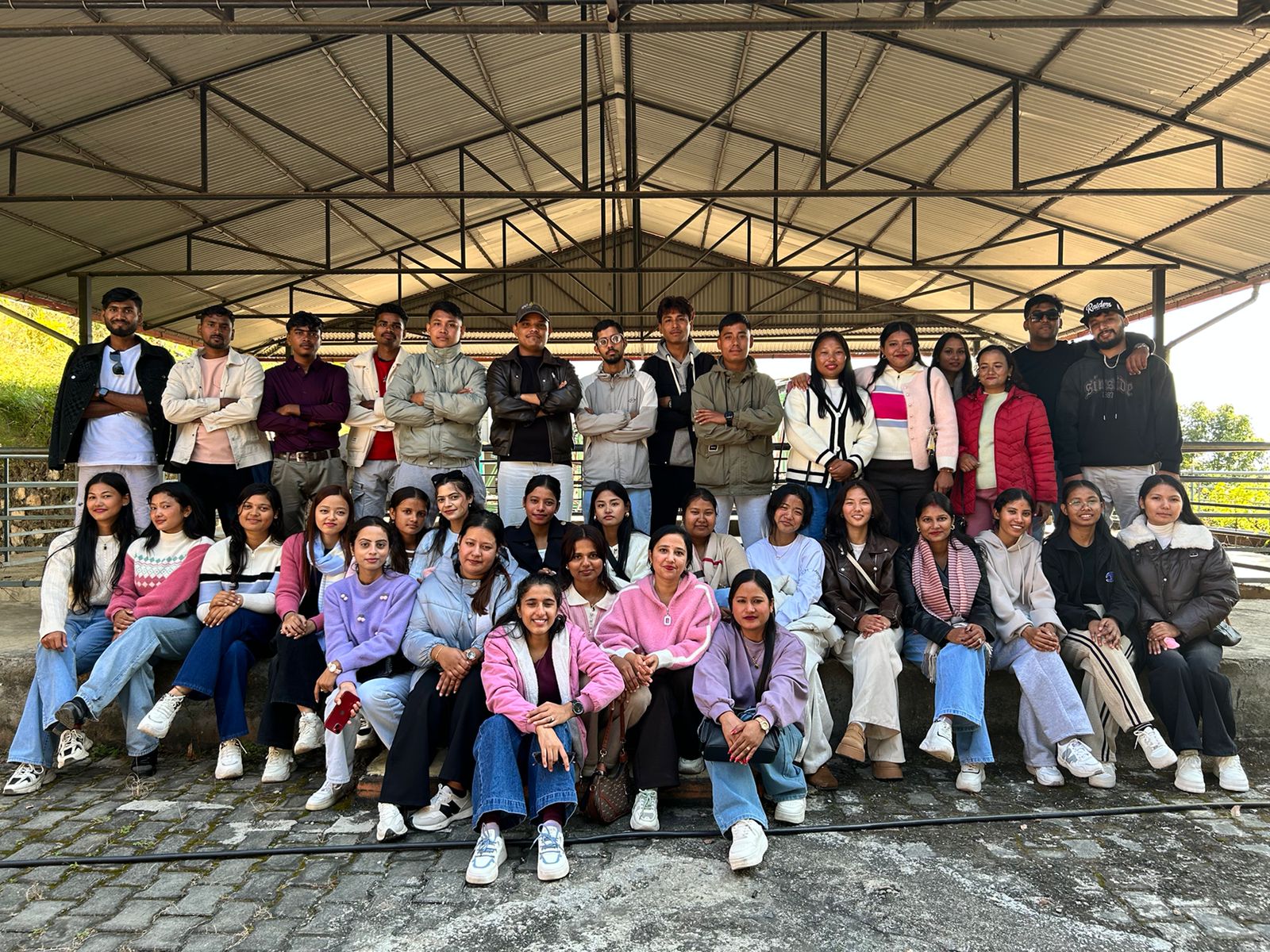
Are you preparing to go to Japan on a Student Visa or SSW Visa? If you are looking for high-quality Japanese language classes, look no further!
January 21, 2026
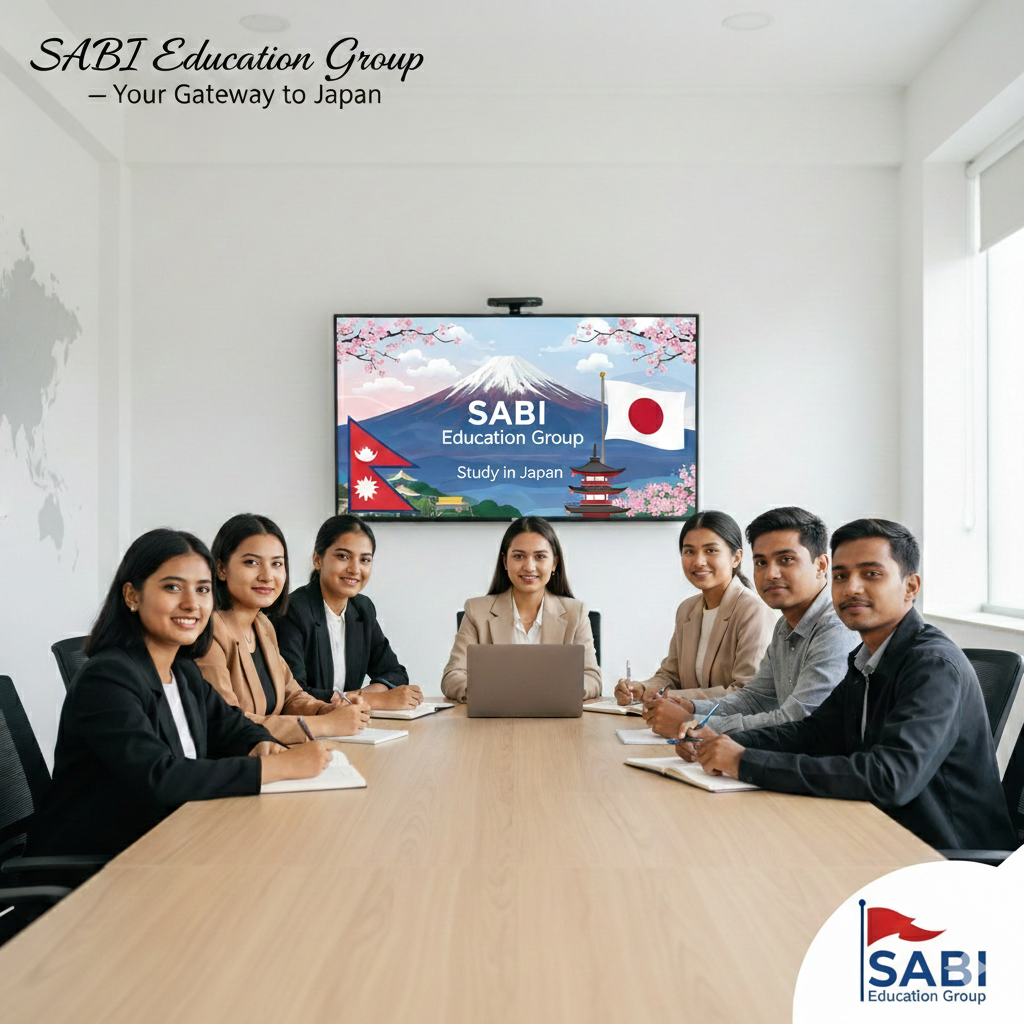
Here are the key strengths and positive aspects of Sabi Education Group
January 20, 2026
Services
Working Hours
- Sunday: 7 AM to 5 PM
- Monday: 7 AM to 5 PM
- Tuesday: 7 AM to 5 PM
- Wednesday: 7 AM to 5 PM
- Thursday: 7 AM to 5 PM
- Friday: 7 AM to 5 PM
Contact Us
OFFICE :
- Bharatpur
- Ratnanagar
Copyright © 2025 Sabi Education Group. All rights reserved
Powered by Dipesh Chaudhary