Blog Details
☆ From Blog
Blog Details

The Two Types of SSW
- SSW (i): For workers with a basic level of skill. You can stay for up to 5 years in total. You generally cannot bring your family members under this category.
- SSW (ii): For workers with higher/expert skills. This allows for indefinite visa renewals and gives you the right to bring your family to Japan.
2. Requirements to Qualify (The Two Pillars)
To get an SSW visa, you must pass two main exams:
- A. Japanese Language Proficiency:
- You must pass either the JLPT N4 or the JFT-Basic (A2 level).
- This proves you have enough Japanese skills to handle daily life and basic workplace communication.
- B. Skills Proficiency Test:
- You must pass a technical exam specific to the industry you want to work in (e.g., a test for Agriculture if you want to be a farmer).
3. Eligible Industries (Sectors)
Currently, Japan accepts SSW workers in several fields, including:
- Nursing Care (Caregiver)
- Food Service (Restaurants)
- Agriculture
- Construction
- Building Cleaning Management
- Manufacturing (Machine parts, electric/electronic info)
- Accommodation (Hotels)
- Food and Beverage Manufacturing
4. Benefits of SSW
- Fair Salary: You must be paid the same or higher wage than a Japanese person doing the same job.
- Support System: Employers (or an "Organizing Support Member") are required to help you with life in Japan, such as finding a house, opening a bank account, and learning the local rules.
5. Study Materials
- Language: Use N5 and N4 textbooks like Minna no Nihongo or Marugoto.
- Skills: The Japanese government provides Free Study Guides (PDFs) for each specific field. These manuals are available in multiple languages to help you prepare for the technical test.
Summary: SSW is a "Work Visa." Unlike the Student visa, your primary goal is to work and earn money. Unlike the Trainee visa (TITP), you have more rights and can change employers within the same industry.
Recent Blogs
🇯🇵जापानी भाषा सिकौँ, जापान जाने सपना साकार पारौँ! 🌸
January 25, 2026
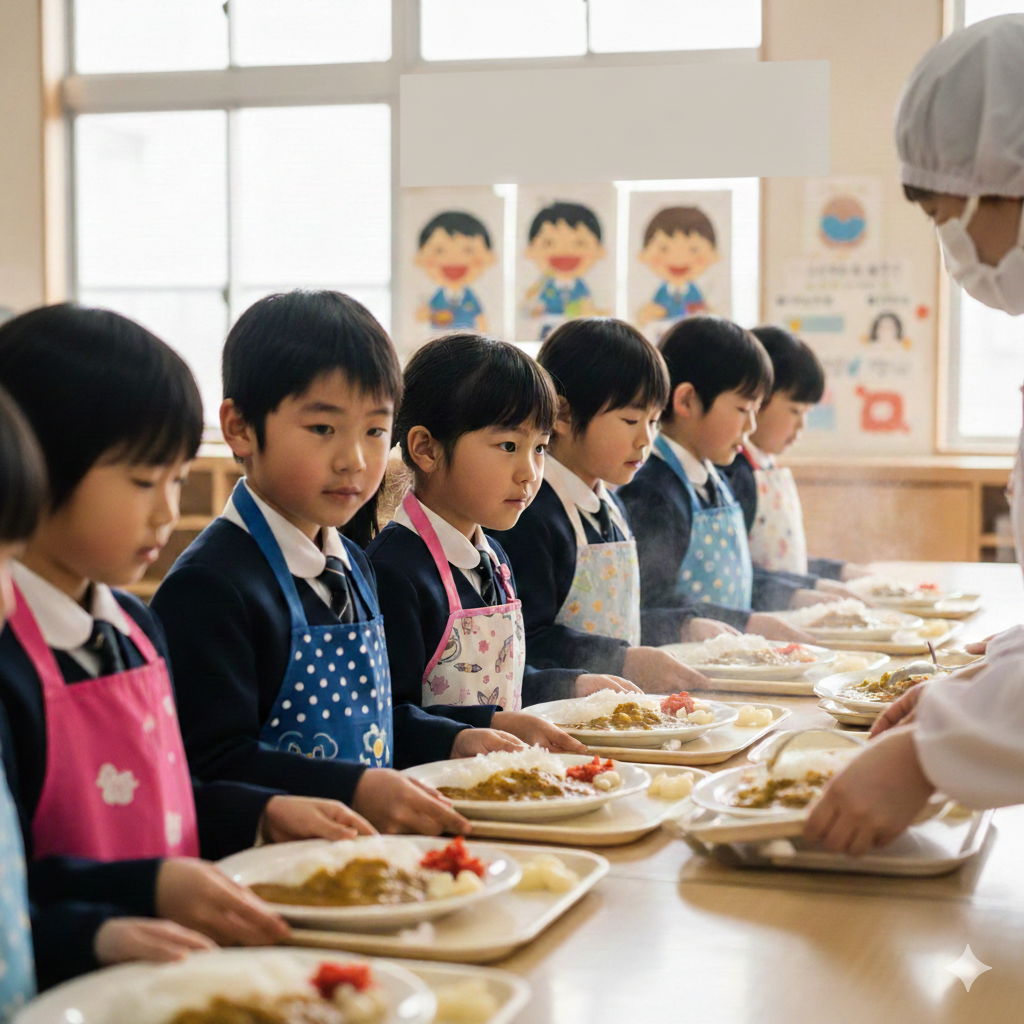
How Curry Day is celebrated in Japan like this
January 22, 2026
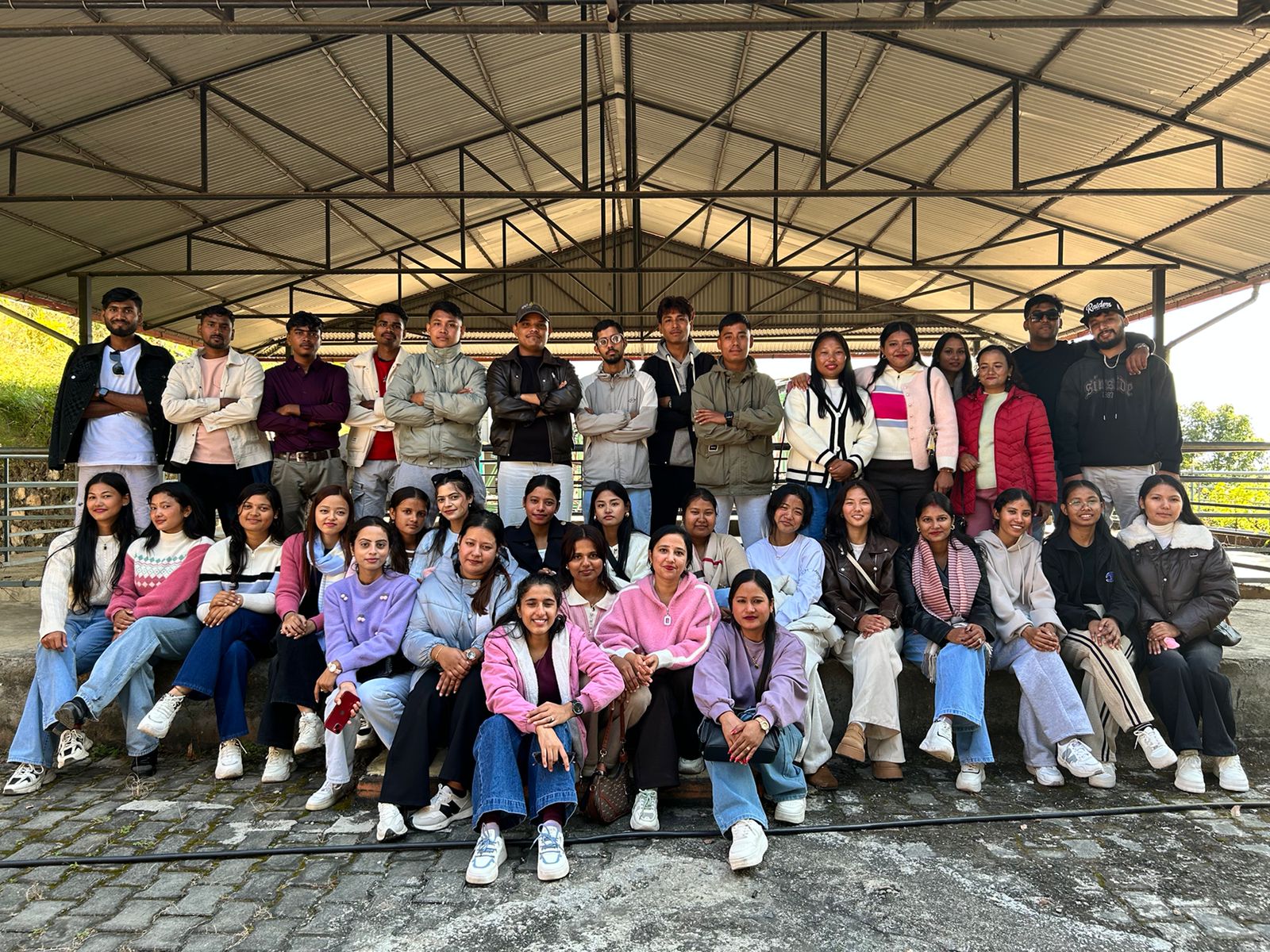
Are you preparing to go to Japan on a Student Visa or SSW Visa? If you are looking for high-quality Japanese language classes, look no further!
January 21, 2026
Here are the key strengths and positive aspects of Sabi Education Group
January 20, 2026
Services
Working Hours
- Sunday: 7 AM to 5 PM
- Monday: 7 AM to 5 PM
- Tuesday: 7 AM to 5 PM
- Wednesday: 7 AM to 5 PM
- Thursday: 7 AM to 5 PM
- Friday: 7 AM to 5 PM
Contact Us
OFFICE :
- Bharatpur
- Ratnanagar
Copyright © 2025 Sabi Education Group. All rights reserved
Powered by Dipesh Chaudhary